Brewing with Switch base
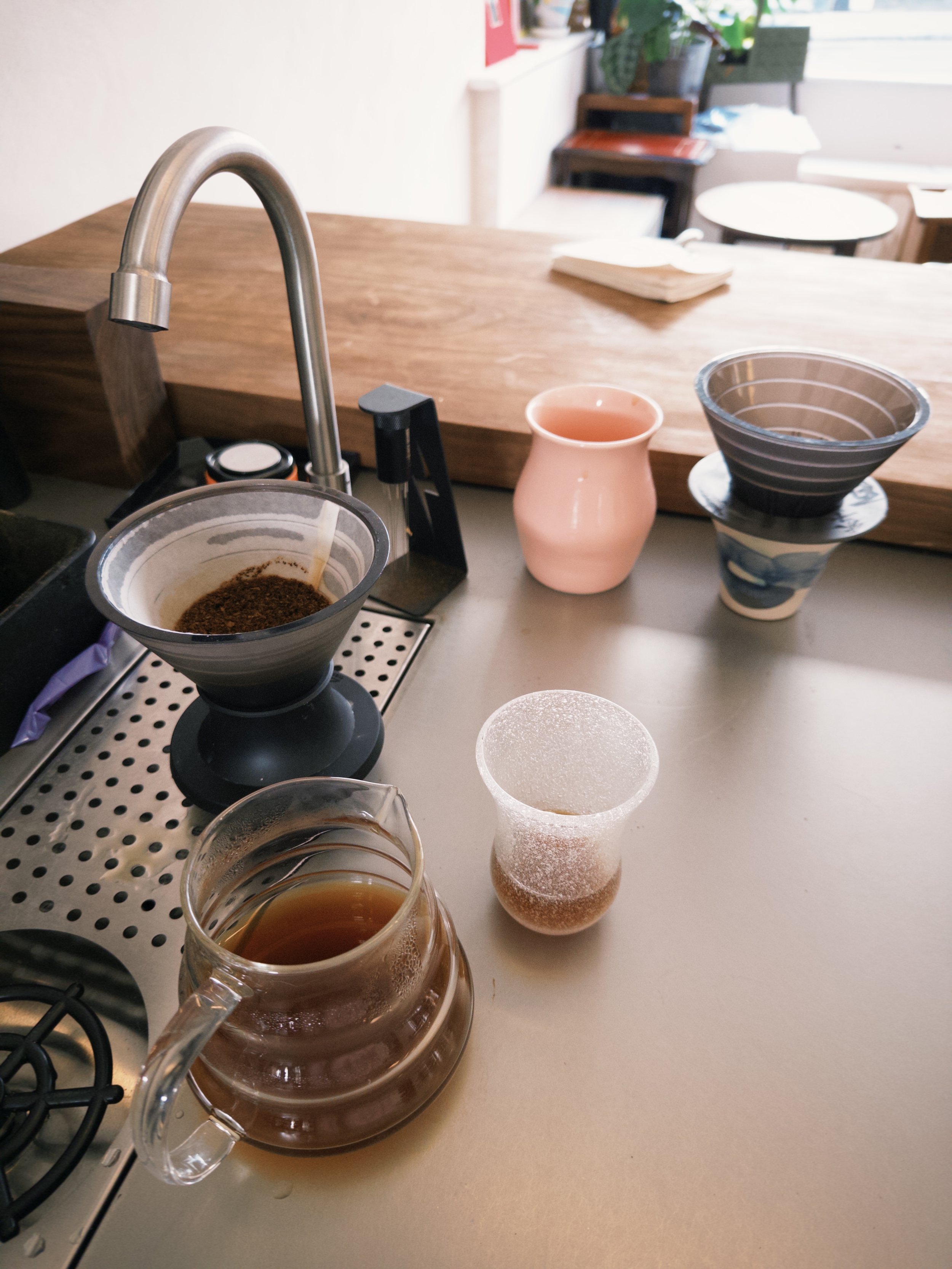
In the past, I’ve always brewed with the same mindset: hot, fine, fast.
High temperature, fine grind, short contact time — mostly with conical brewers like the V60 or ORIGAMI.
But as my roasts got lighter and lighter, something stopped working.
No matter how fine I ground, I couldn’t pull out the heavier compounds that show up so clearly in cupping. The brews tasted clean, sweet, but lacking intensity — especially acidity.
So I pushed the brew longer.
Added an extra pour.
Moved from 1:16 to 1:17–18.
Everything drifted closer to immersion, and sweetness improved…
but the acidity and structure softened.
Still brewing at 94°C+, still chasing extraction, still hitting over-extraction far too easily.
Grinding coarser didn’t help either — brews just became thinner.
Then a friend introduced me to Sibarist.
The fast paper changes everything.
Higher permeability means higher extraction, even when the brew time drops significantly. So I went back to ultra-fine grinding (1Z Kultra #4), fast brews, but paired it with a slow-flow dripper to keep extraction high.
It worked for many coffees —
but still not the intense, fruit-juice acidity I wanted from ultra-light roasts.
Recently, while experimenting with the RF dripper, I revisited the Switch base (Clever-style) approach.
I’d known about this method for years but never really dug into it.
And suddenly it clicked:
You can keep the same ratio, same recipe,
but shift part of the extraction from percolation to controlled immersion.
For ultra-light roasts, this changes everything.
Simply turning the first two pours into 30 seconds of closed-valve immersion brought the acidity back — bright, structured, and punchy.
Exactly what I’d been missing.
⸻
My RF + Switch Recipe
Grinder: Femobook A4Z – 11 clicks
Dripper: Relax Fruit + Switch Base
Filter: Lyocell Fast
• 60ml bloom (valve closed)
open at 0:35, close at 0:45
• Add 90ml, full agitation + Rao spin
open at 1:20–1:30 (longer for high-density coffees)
• Final pour to your target yield
• Let it drain completely — and drink.
Highly recommend trying this if you’re working with very light roasts and chasing high-intensity acidity.